
What Flowers Are in Season for My Wedding? A Complete Guide by Month
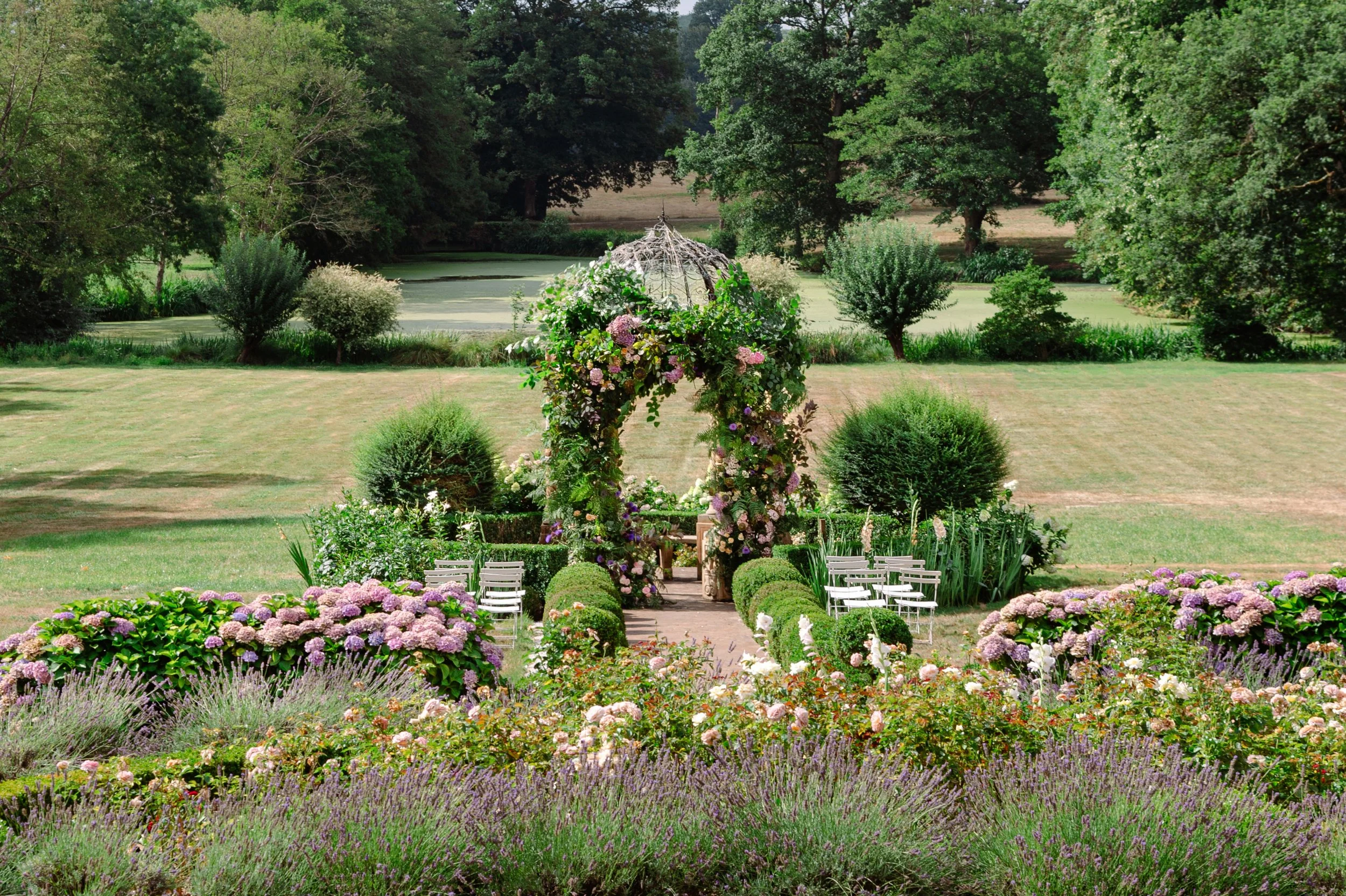
When couples begin planning their wedding flowers, one of the most common questions we hear is simple:
What flowers are actually in season for my wedding date?
Understanding which flowers bloom at different times of the year can completely transform the way a wedding is designed. Seasonal flowers tend to be more vibrant, longer-lasting, and more naturally aligned with the atmosphere of the season.
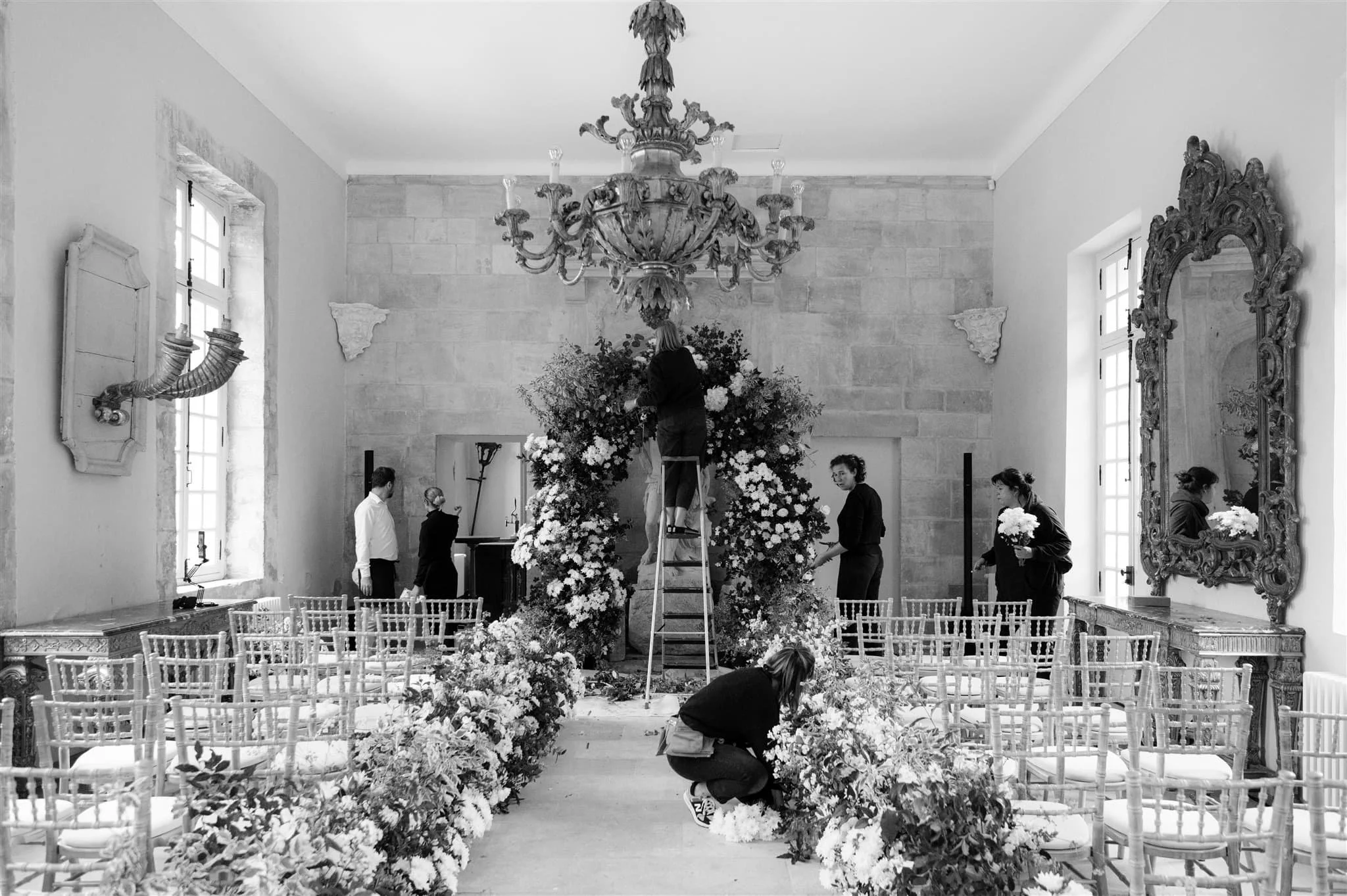
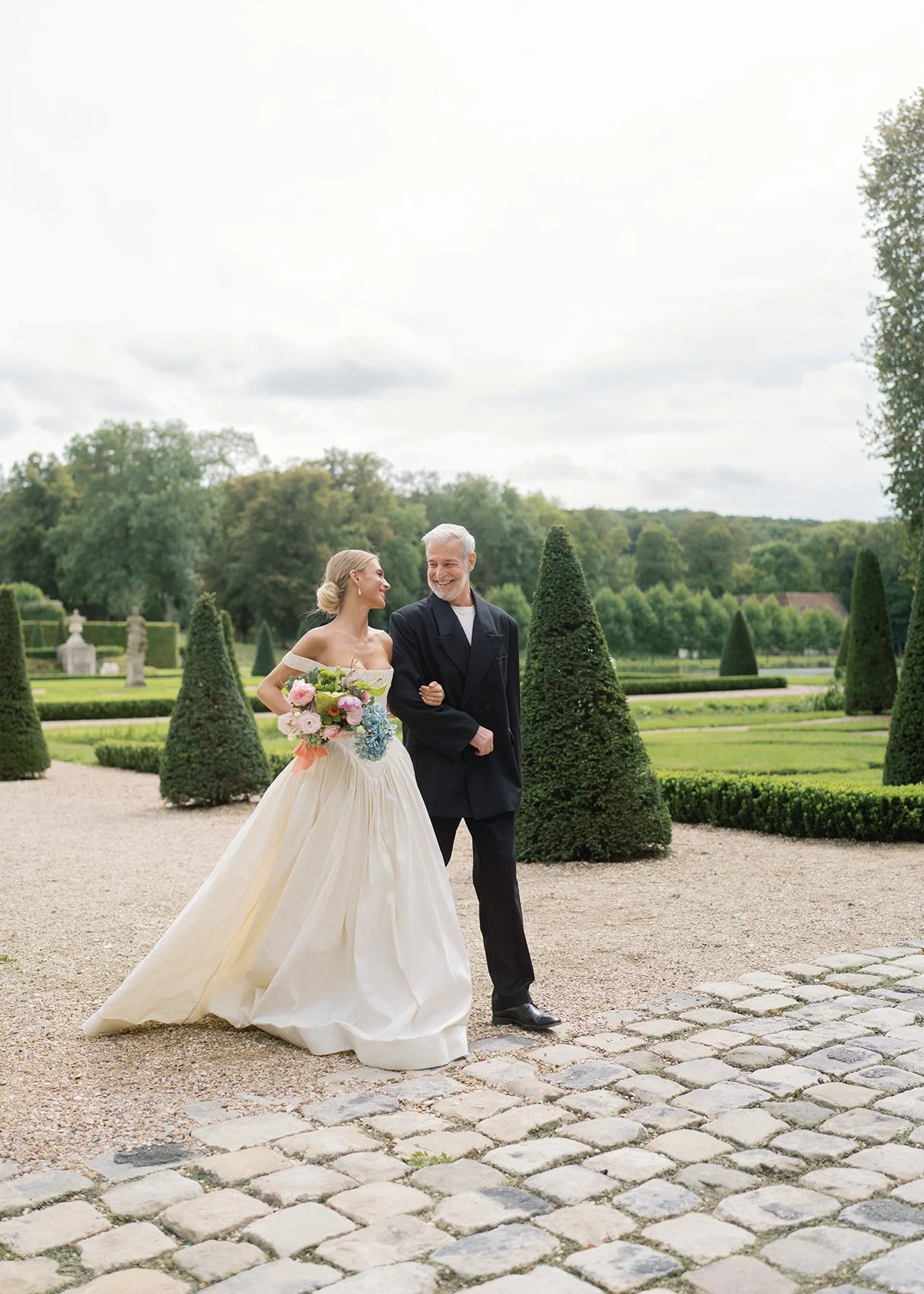
At Les Éphémères, seasonality is central to the way we work. Many of the flowers used in our events are grown directly in our own fields, allowing us to design with blooms that are truly in season and often cultivated specifically for the weddings we create.
Below you’ll find a complete guide to seasonal wedding flowers by month, to help you understand what nature offers throughout the year.
Seasonal Wedding Flowers Calendar
January
Anemone, hellebore, amaryllis
February
Ranunculus, mimosa, anemone
March
Tulips, narcissus, sweet peas
April
Hyacinth, anemone, blossom branches
May
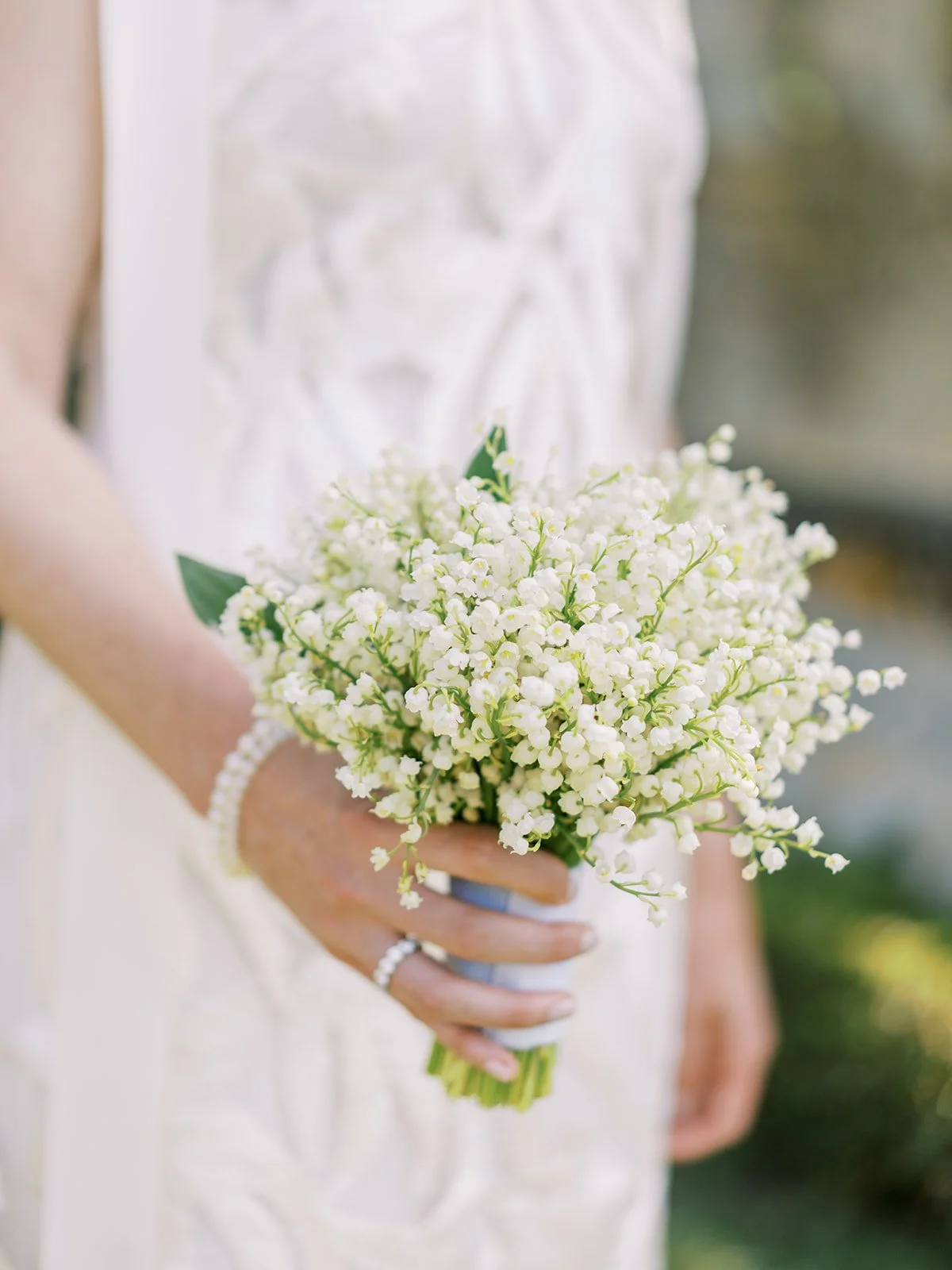
Peonies, lilac, lily of the valley
June
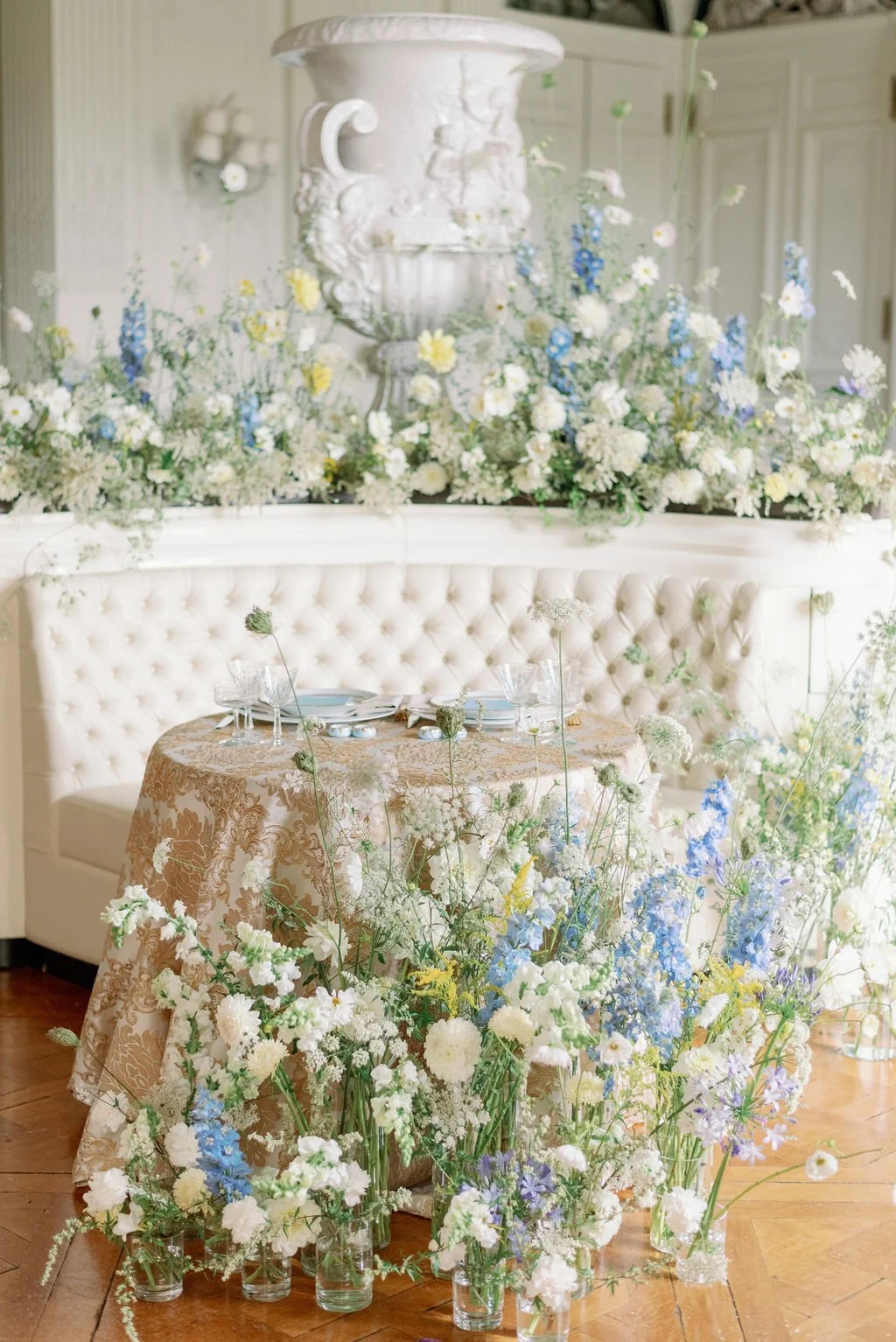
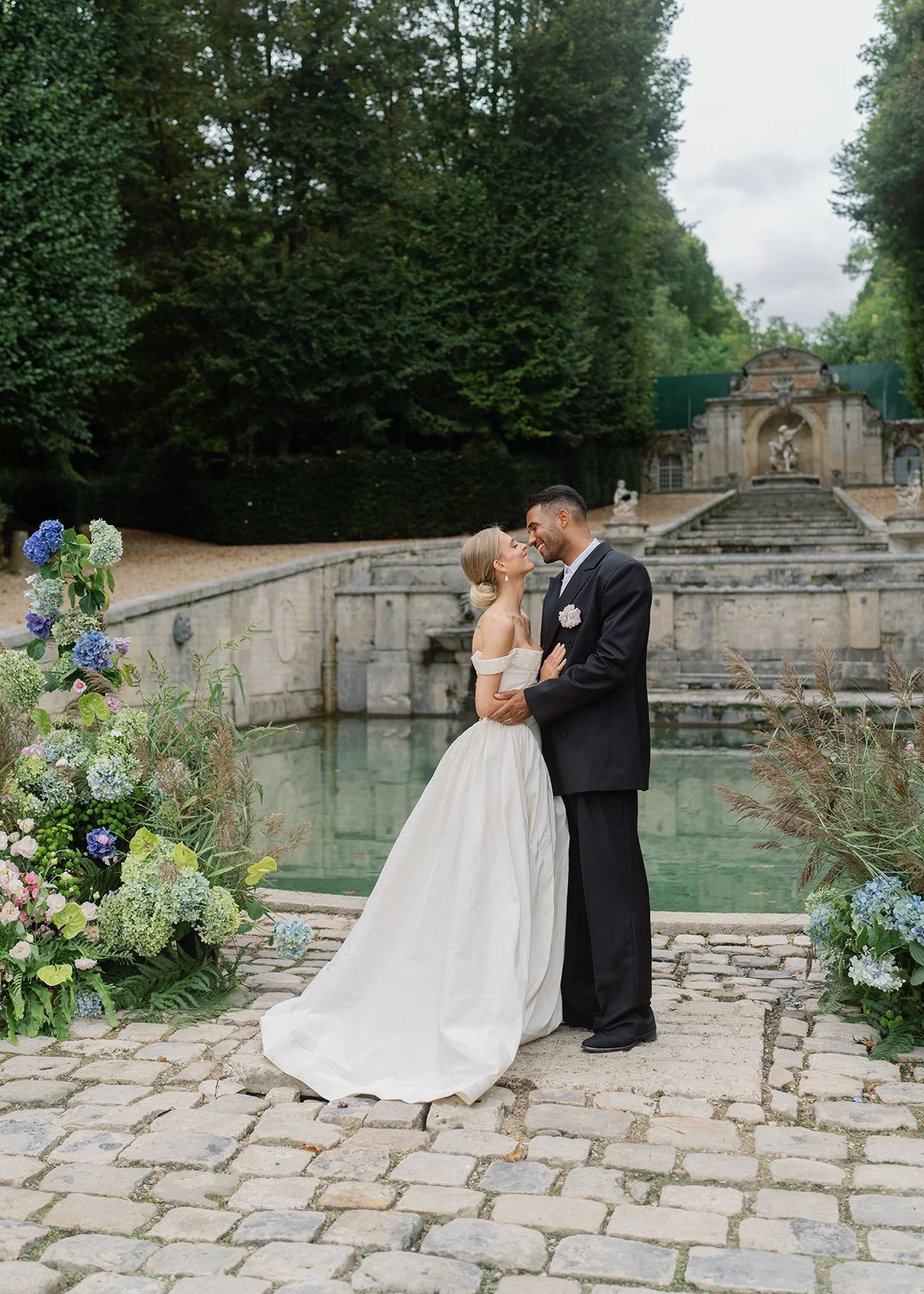
Garden roses, delphinium, hydrangea
July
Dahlias, cosmos, lisianthus
August
Dahlias, zinnias, sunflowers
September
Dahlias, amaranthus, grasses
October
Chrysanthemums, berries, foliage
November
Camellia, branches, textured greenery
December
Amaryllis, hellebore, evergreen foliage
Seasonal flowers follow natural blooming cycles throughout the year, with winter varieties such as amaryllis and spring blooms like tulips or peonies appearing at different times.
January Wedding Flowers
Winter weddings have a quiet elegance, and January flowers often bring sculptural forms and refined textures.
Flowers commonly in season include:
anemone
hellebore
amaryllis
winter jasmine
evergreen foliage
These flowers create beautiful winter palettes with whites, deep reds, and dark greens.
February Wedding Flowers
As winter slowly moves toward spring, February offers delicate and romantic blooms.
Typical flowers include:
ranunculus
anemone
mimosa
early tulips
hellebore
Ranunculus and anemones are especially loved for wedding bouquets because of their layered petals and elegant structure.
March Wedding Flowers
March marks the beginning of spring in many floral gardens.
Flowers often available include:
tulips
narcissus
ranunculus
sweet peas
Tulips and daffodils are among the most iconic early spring flowers and are frequently used in seasonal wedding designs.
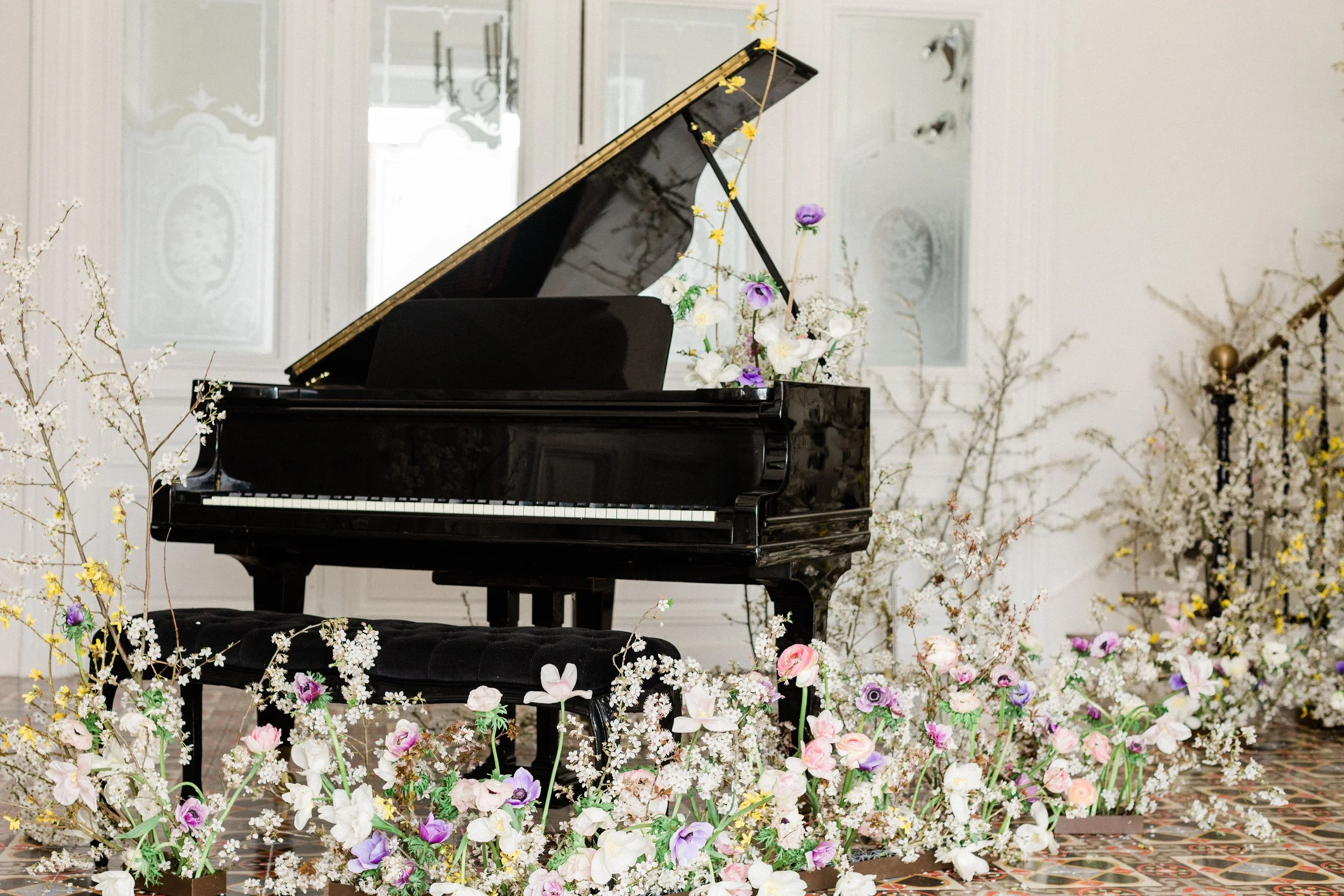
April Wedding Flowers
April weddings benefit from the full beauty of spring.
Seasonal flowers often include:
ranunculus
anemone
hyacinth
flowering branches
lily of the valley
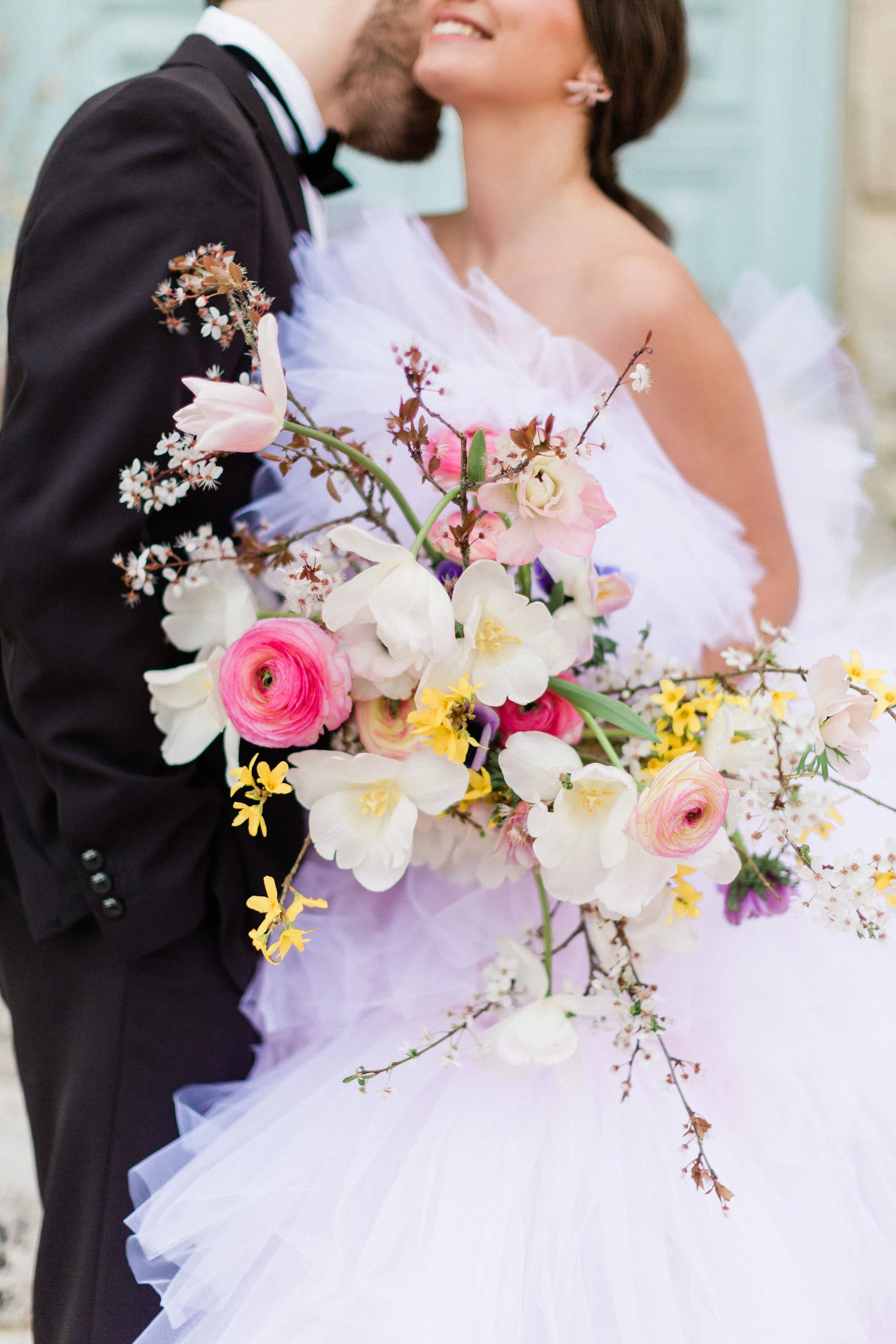
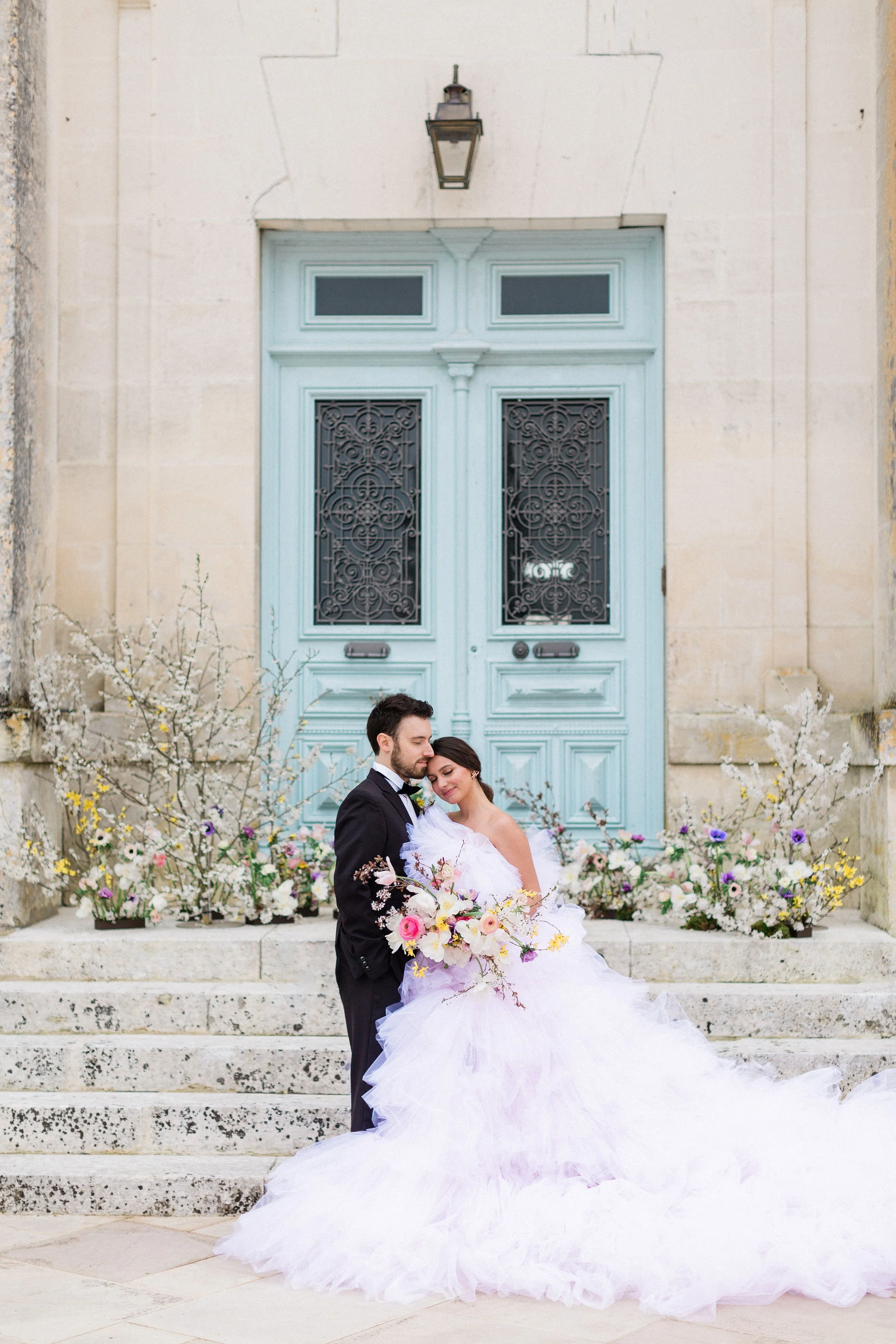
Blossoming branches and bulb flowers bring softness and natural movement to spring floral designs.
May Wedding Flowers
May is one of the most abundant months for wedding flowers.
Typical seasonal flowers include:
peonies
lilac
lily of the valley
garden roses
sweet peas
This period offers some of the most romantic flowers of the year, especially fragrant varieties like lilac and peony.
June Wedding Flowers
June weddings often offer extraordinary floral abundance.
Flowers commonly in season include:
garden roses
peonies (late season)
delphinium
hydrangea
foxglove
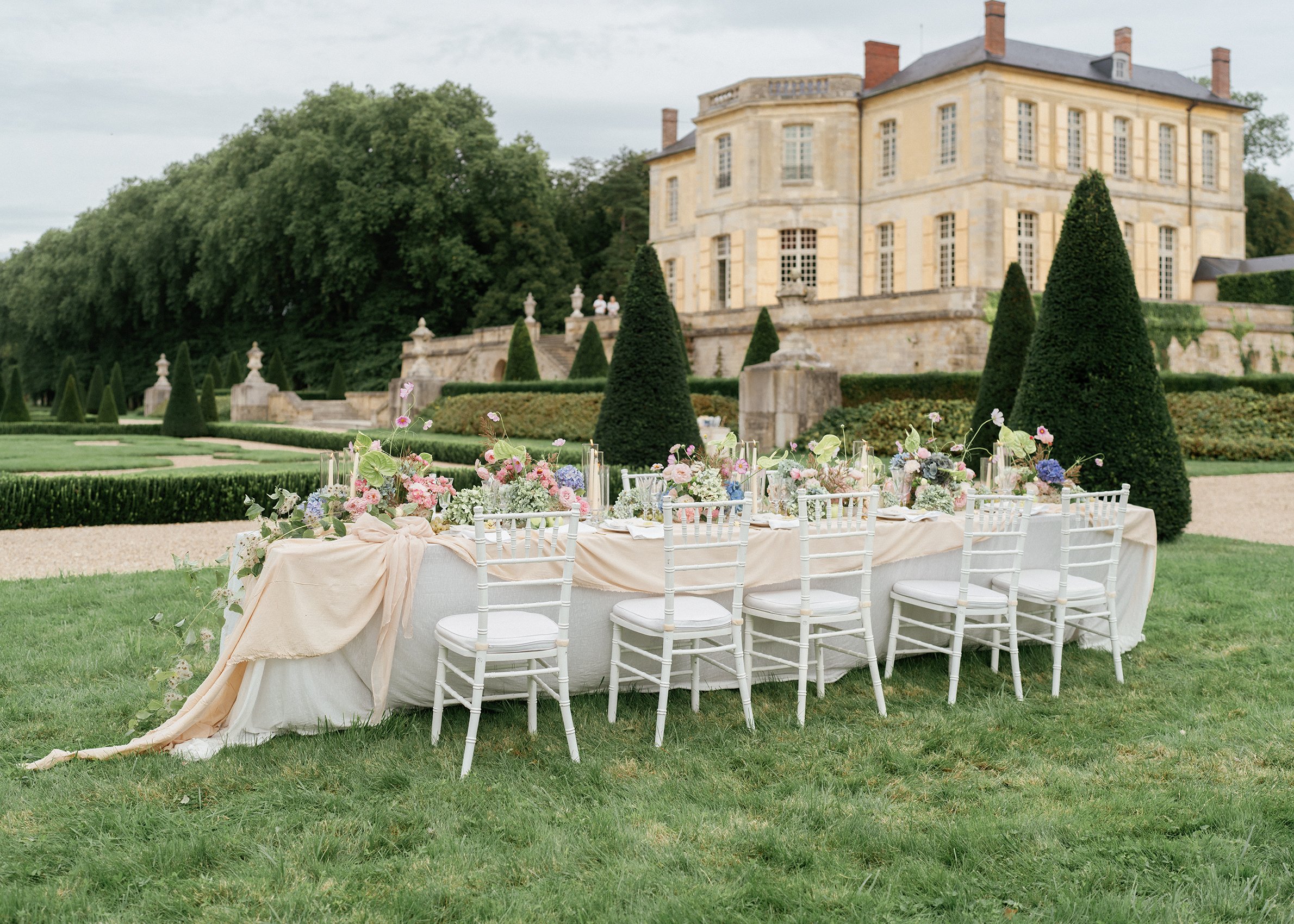
Many couples love this season because it combines lush textures with soft pastel palettes.
July Wedding Flowers
Summer brings an incredible variety of colors and shapes.
Typical seasonal flowers include:
dahlias
hydrangea
cosmos
lisianthus
These flowers work beautifully for outdoor weddings and garden-style designs.
August Wedding Flowers
August is one of the most vibrant months in the floral calendar.
Flowers often in season include:
dahlias
zinnias
cosmos
sunflowers
Dahlias in particular are iconic for late-summer weddings thanks to their bold colors and dramatic shapes.
September Wedding Flowers
As autumn approaches, flowers become more textured and rich in color.
Seasonal options often include:
dahlias
amaranthus
ornamental grasses
marigolds
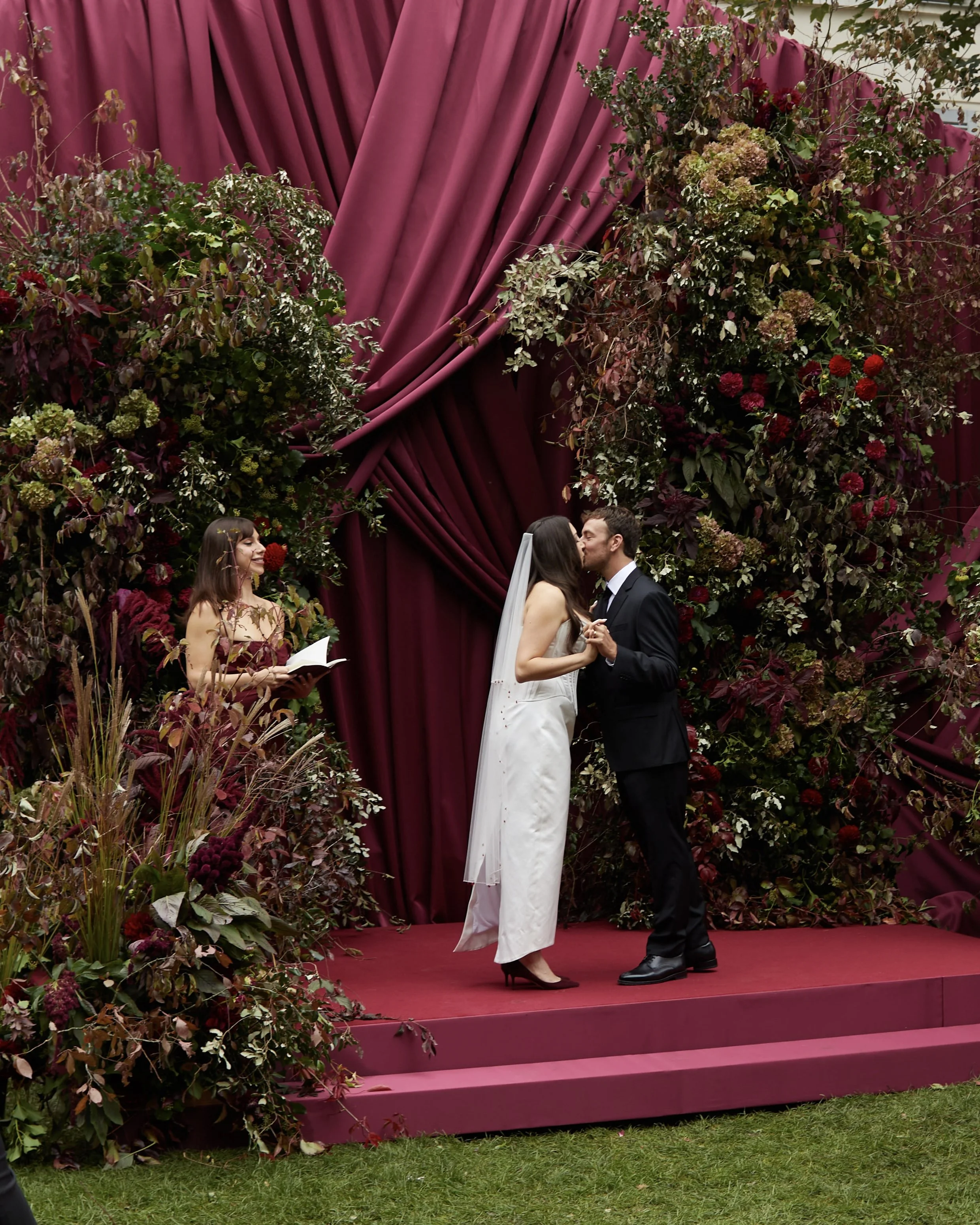
Autumn florals often incorporate berries and foliage for deeper seasonal palettes.
October Wedding Flowers
October weddings embrace the beauty of autumn.
Typical flowers include:
chrysanthemums
asters
dahlias
autumn foliage
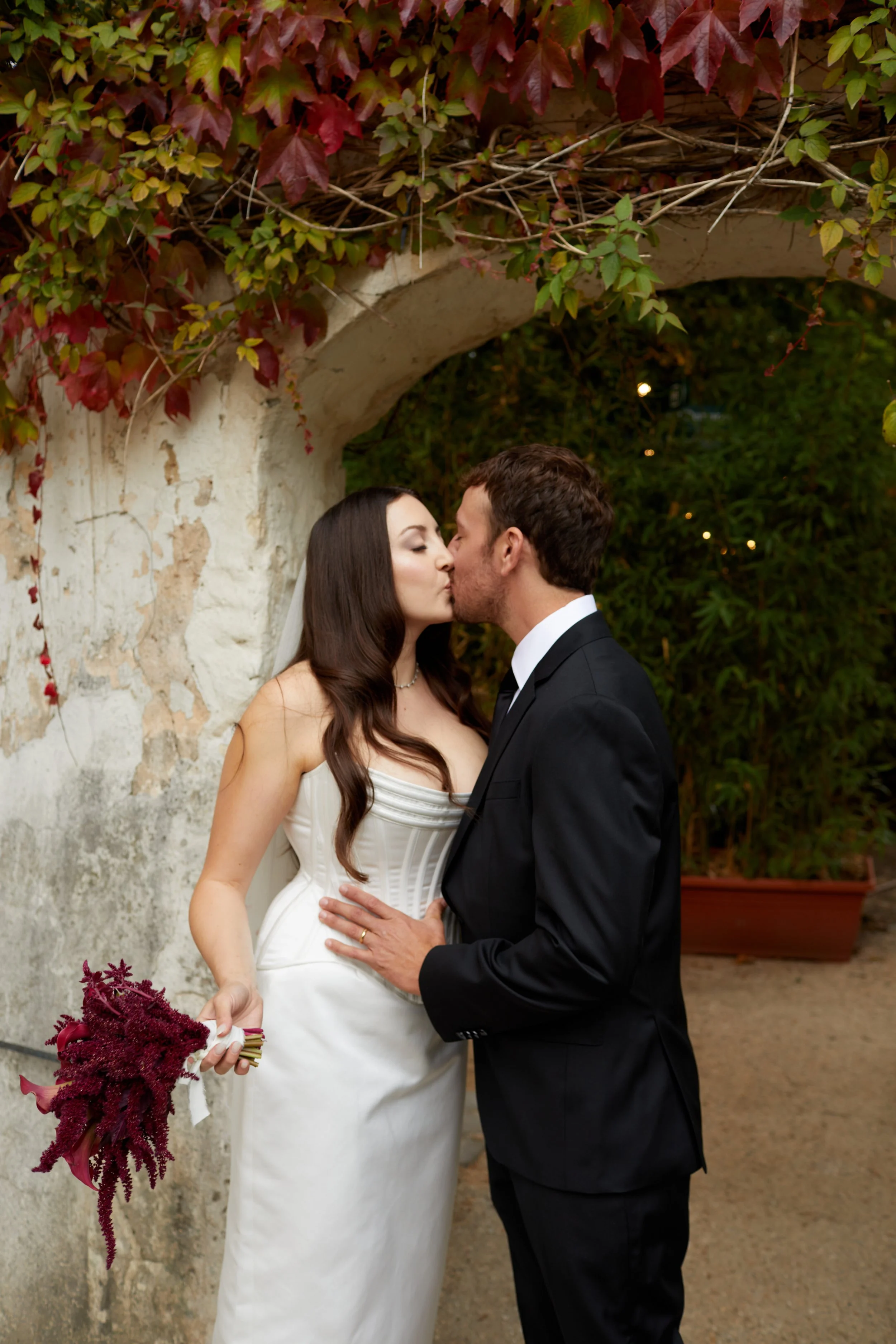
These flowers create warm palettes with deep reds, oranges, and gold tones.
November Wedding Flowers
November offers more subtle floral palettes with elegant textures.
Seasonal options may include:
camellia
berries
branches
textured greenery
Many designs during this period rely on foliage, berries, and structural elements.
December Wedding Flowers
Winter weddings often feature dramatic and elegant flowers.
Seasonal flowers include:
amaryllis
hellebore
evergreen foliage
winter roses
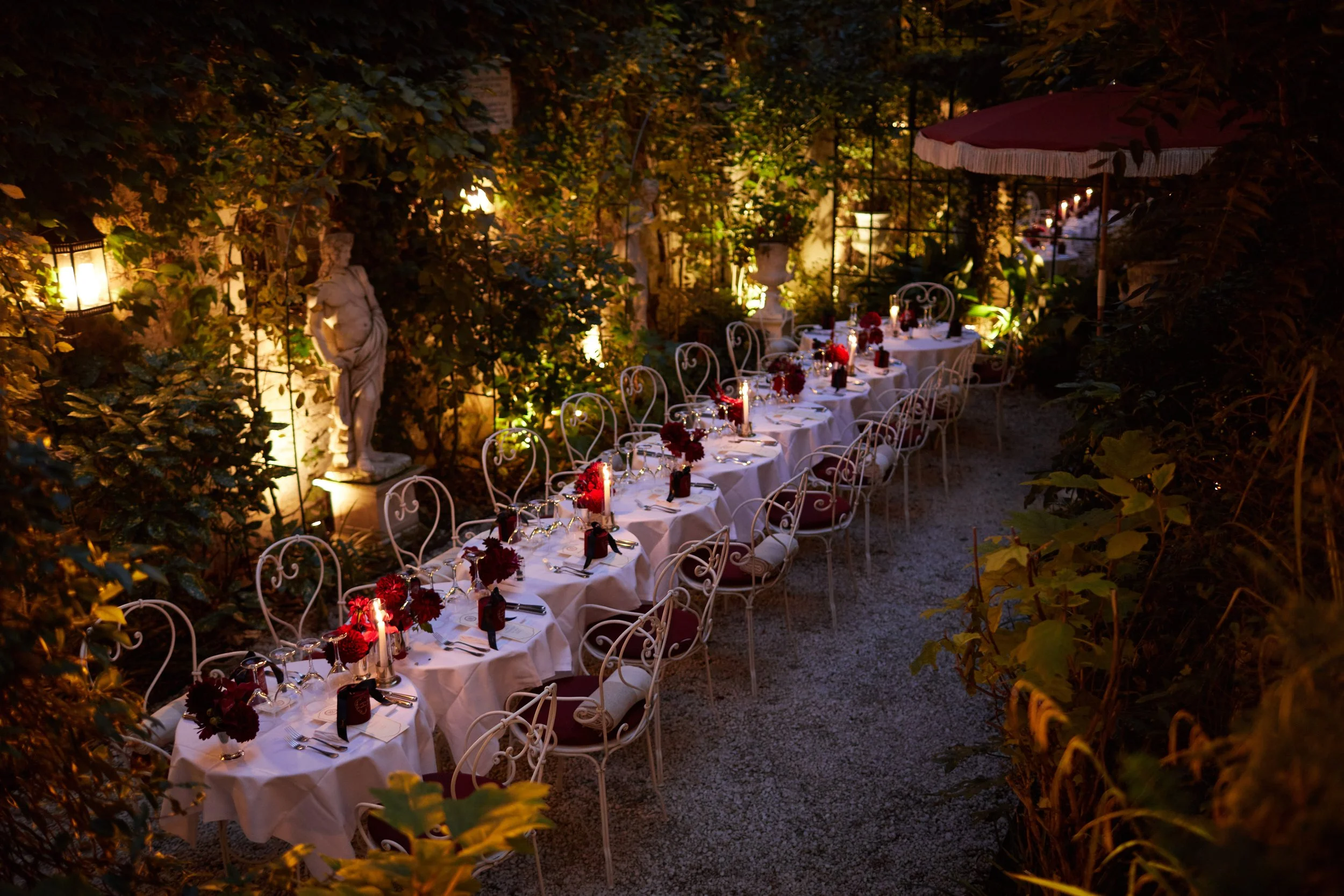
These blooms work beautifully for winter celebrations and candlelit receptions.
Why We Design With Seasonal Flowers
Working with seasonal flowers is not only about availability.
It is about creating floral designs that feel connected to nature and to the moment when the wedding takes place.
At Les Éphémères, we take this philosophy even further.
Many of the flowers used in our weddings are grown directly in our own fields, which allows us to design with blooms that are truly in season and cultivated specifically for the events we create.
Because we grow many of our flowers ourselves, we can offer couples something rare in wedding floristry:
flowers that are grown and designed by the same team.
This creates a level of personalization that imported flowers simply cannot provide.
Planning Your Wedding Flowers?
If you are planning a wedding and would like to explore what seasonal flowers could look like for your celebration, we would love to hear about your project.
What flowers are in season for my wedding?
Seasonal wedding flowers depend on the month and location of your celebration. Spring weddings often feature tulips, peonies and sweet peas, while summer weddings may include dahlias, garden roses and hydrangeas. Autumn brings textured blooms such as amaranthus and chrysanthemums, while winter weddings highlight hellebore, amaryllis and evergreen foliage.
Working with seasonal flowers ensures that blooms are at their natural peak and beautifully aligned with the atmosphere of the season.
Are seasonal wedding flowers better?
In many cases, yes. Flowers that bloom naturally during your wedding season tend to be fresher, more vibrant and longer-lasting. They also allow floral designs to feel more natural and connected to the environment around your celebration.
Seasonal flowers can also support more sustainable floral design, especially when sourced locally.
Can I request a specific flower for my wedding?
Yes, but availability depends on the season. Some flowers have very short natural blooming periods. For example, peonies are typically available for only a few weeks in late spring.
When a specific flower is not in season, an experienced florist can often suggest alternative blooms with a similar shape, texture or colour palette.
Do wedding flowers have to be seasonal?
Not necessarily. Some flowers are available year-round through global suppliers or greenhouse production. However, designing with seasonal flowers often leads to more natural and harmonious floral arrangements.
Many couples choose seasonal flowers because they feel more connected to the time of year and the landscape surrounding their wedding.
Do you grow the flowers you use for weddings?
At Les Éphémères, many of the flowers used for our weddings are grown directly in our own fields.
This allows us to design with flowers that are truly in season and often cultivated specifically for the weddings we create. For couples, this brings a level of personalization and authenticity that is difficult to achieve with imported flowers.
